About
The Spaghetti & Cake Story
Making Literacy Irresistible.
Our Philosophy
Imagine a five-year-old looking at two words on a screen: SPAGHETTI and CAKE.
Which one do you think they would rather learn to spell?
Most people guess "cake" because it seems short and simple. But look closer. It has a silent e, a long vowel, and a confusing c. It isn't actually easy. Then look at "spaghetti"—a silent h, double consonants, and an irregular pattern. By every educational metric, it’s a daunting, complex word.
And yet… children don't run away from it. They desperately want to learn it.
Not because it’s easy. Because it matters.
It’s a word connected to Friday night family dinners, messy faces, celebration, and joy.
For generations, the education system has asked: “How do we make reading and writing easier?”
At Spaghetti & Cake, we believe we’ve been asking the wrong question.
The better question is: How do we make literacy irresistible?
Children will happily tackle incredibly difficult things when those things are deeply meaningful to them.
What We Do
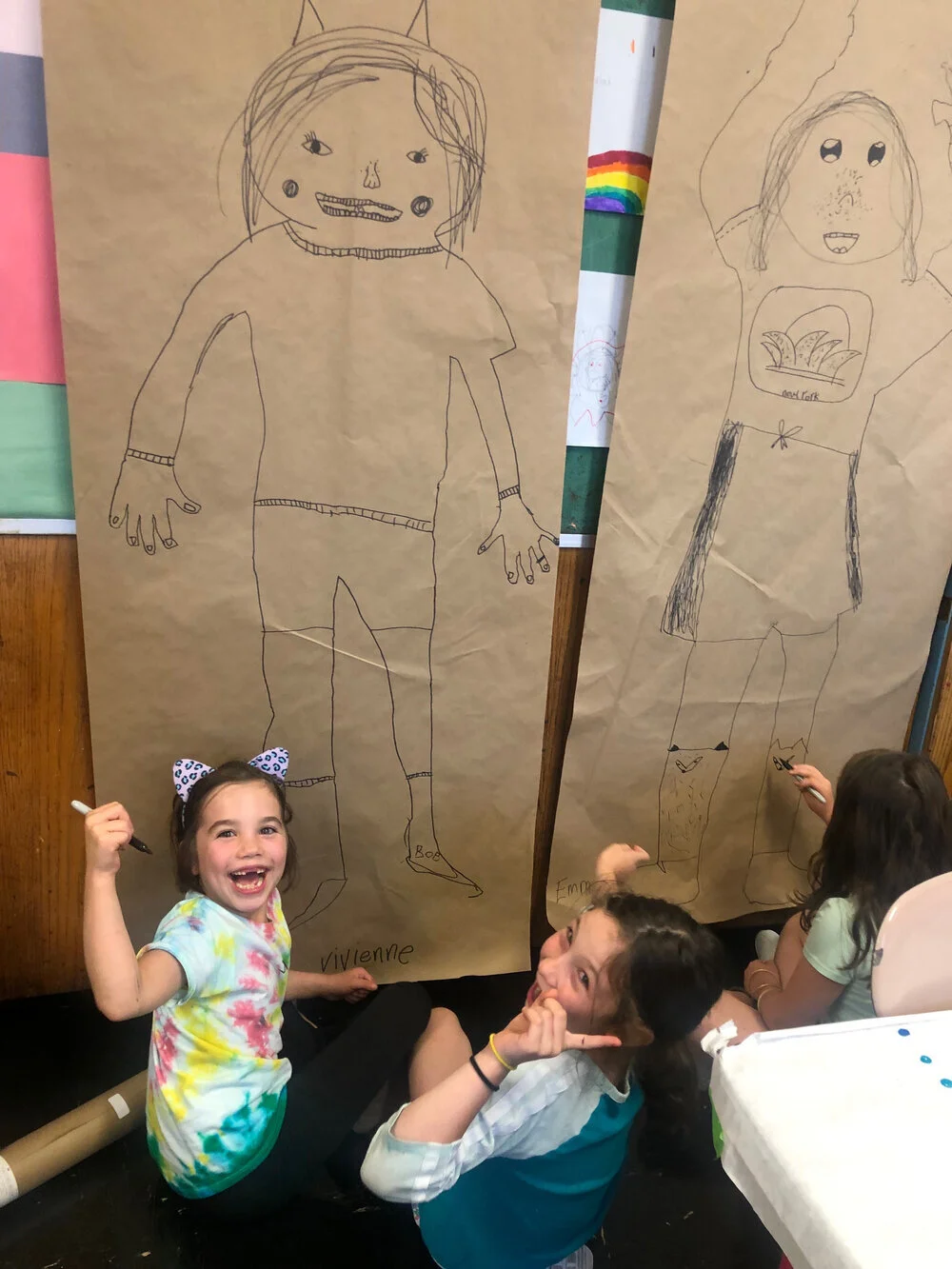
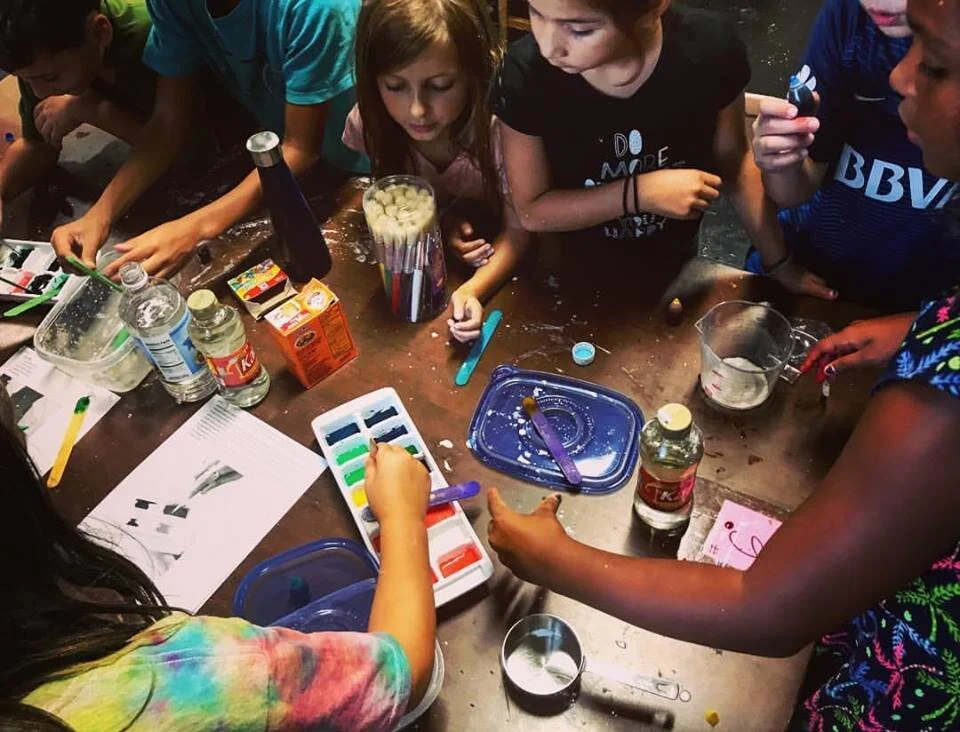
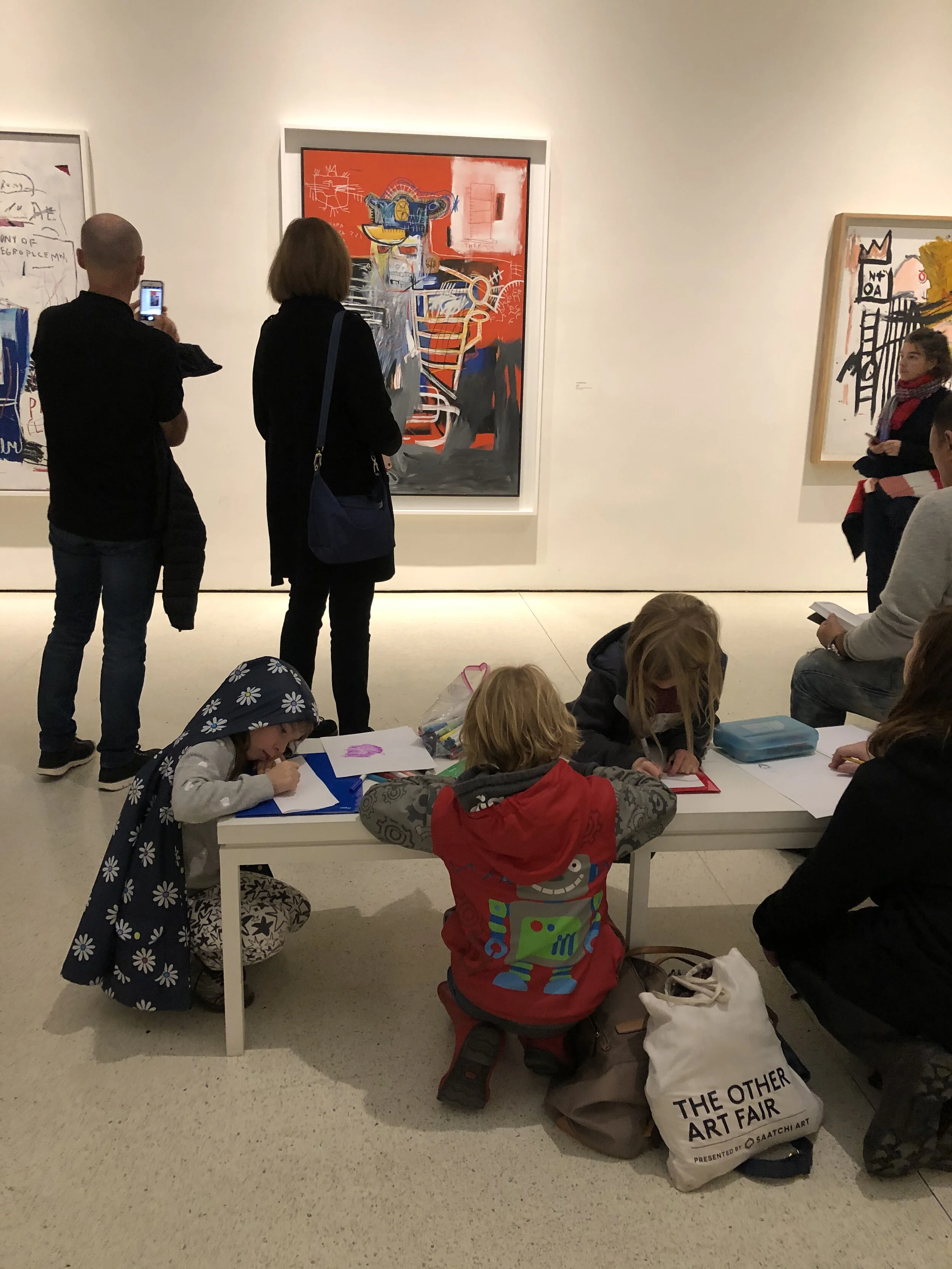
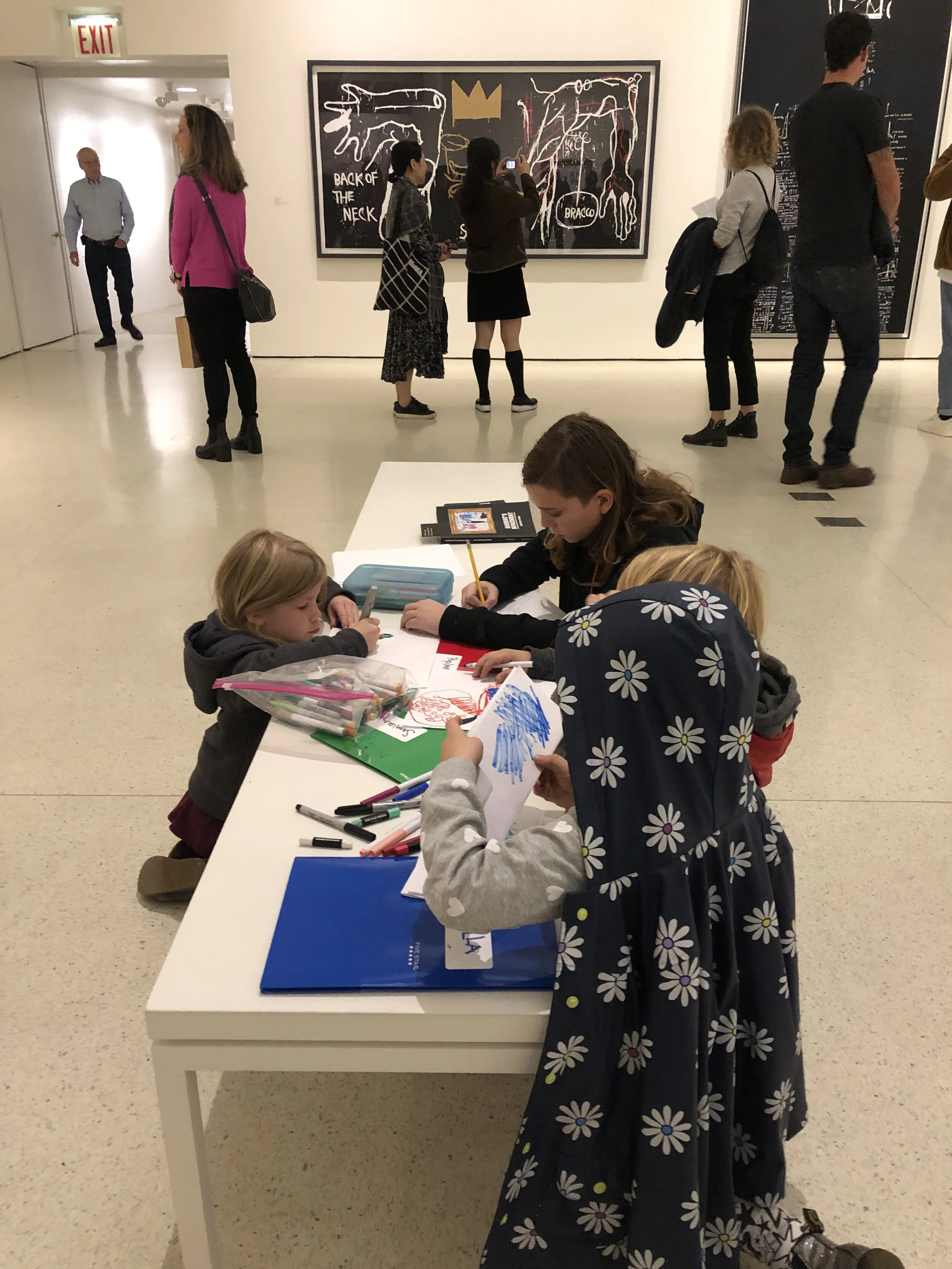
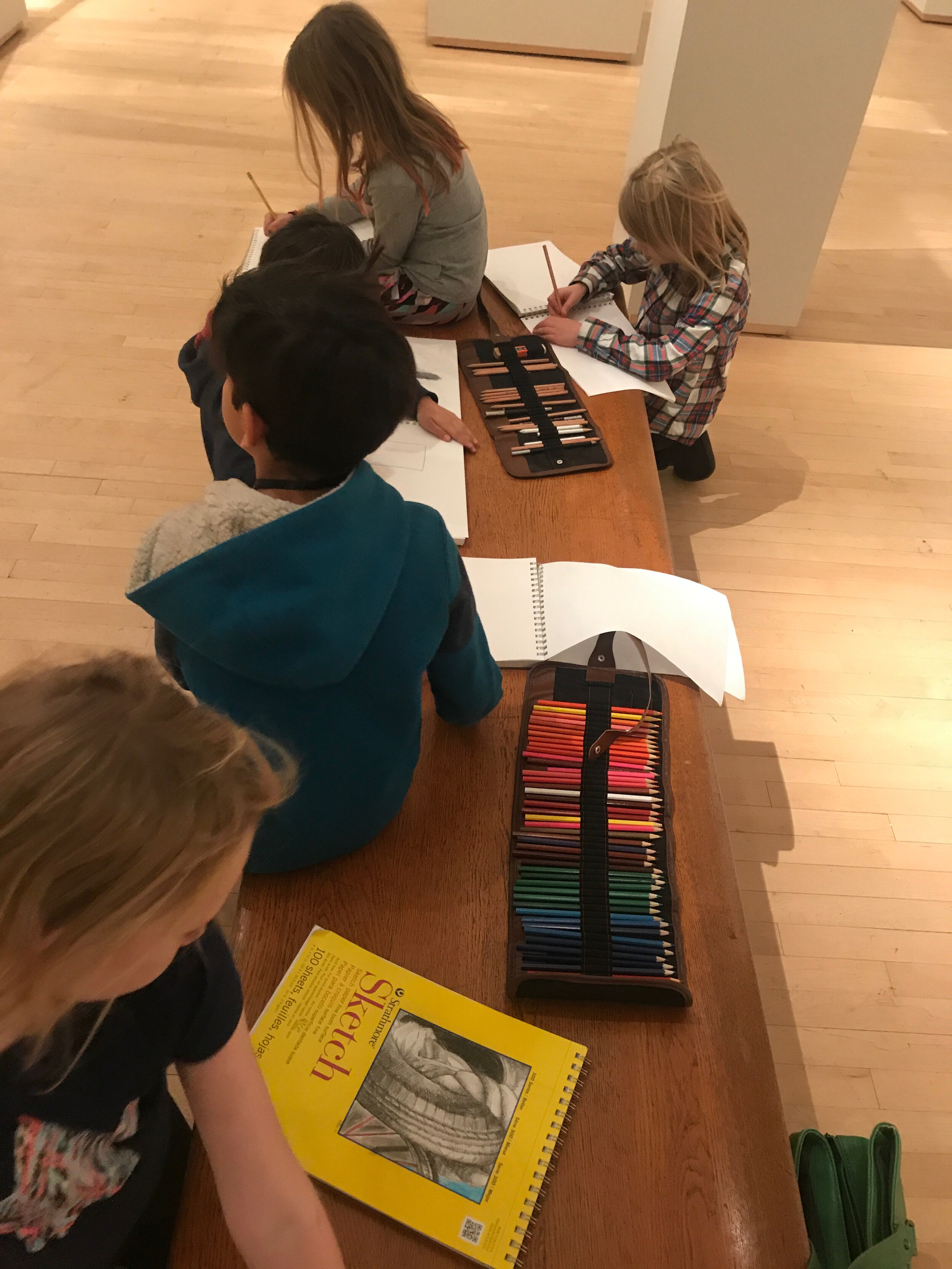
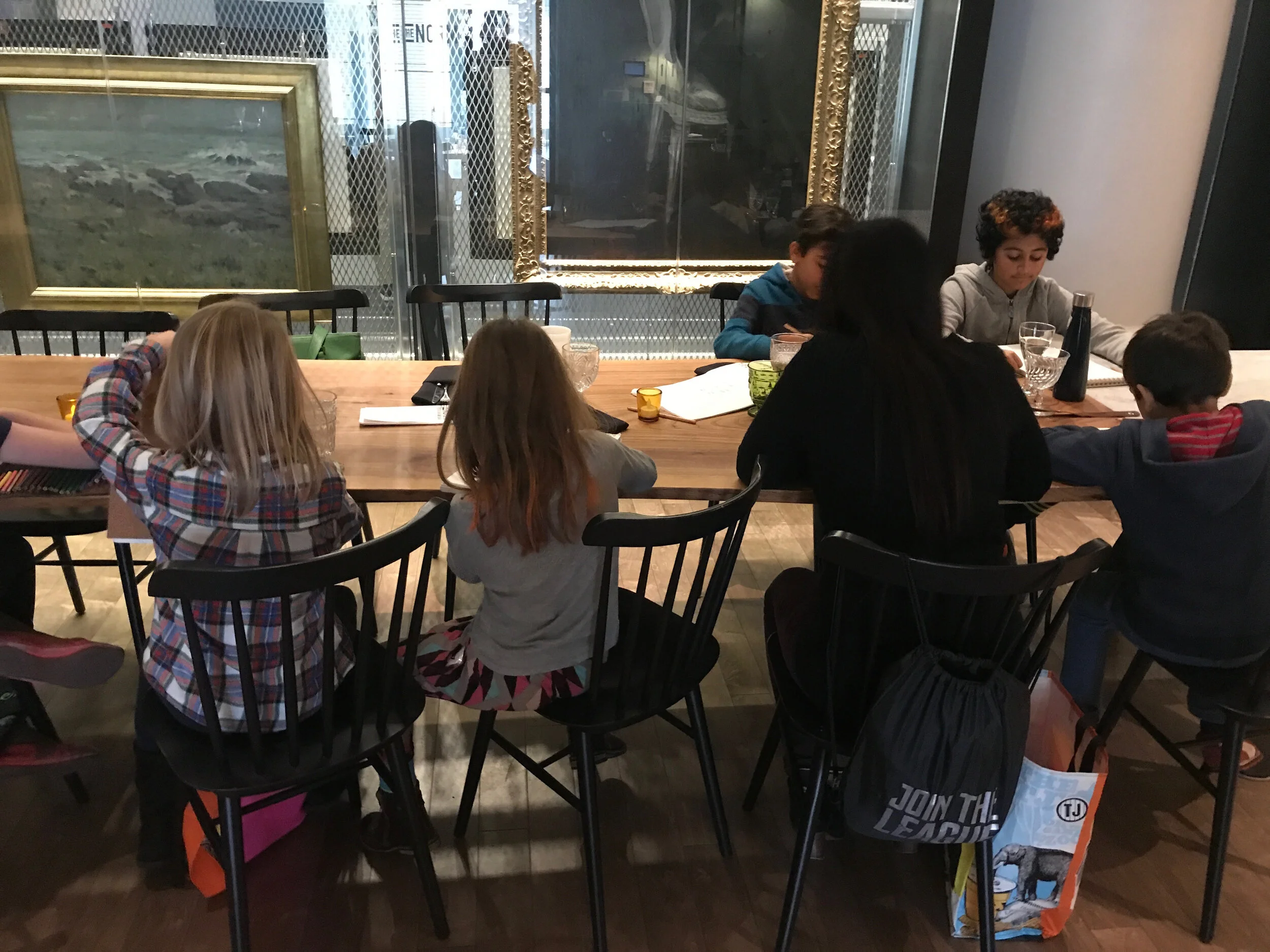
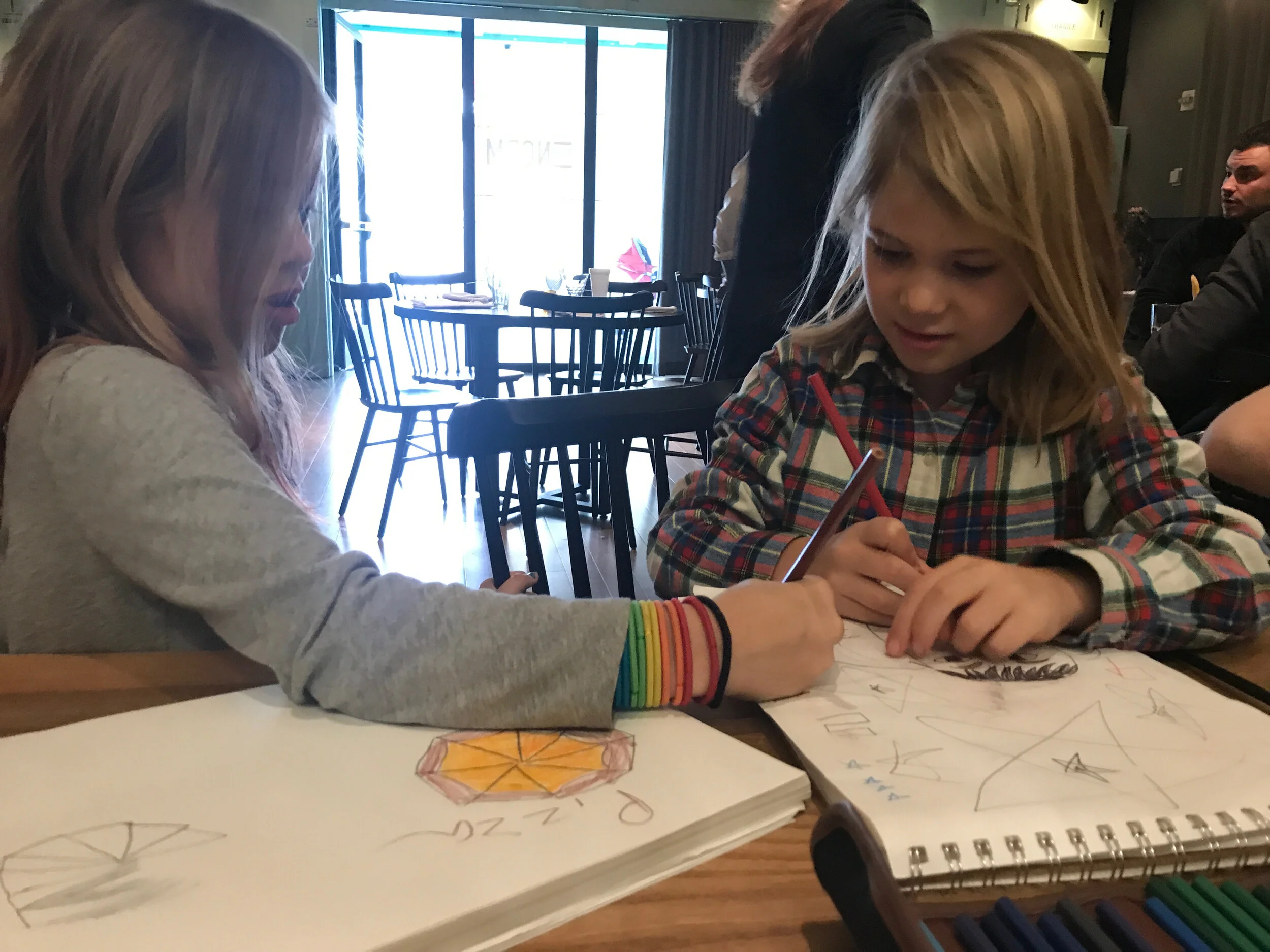
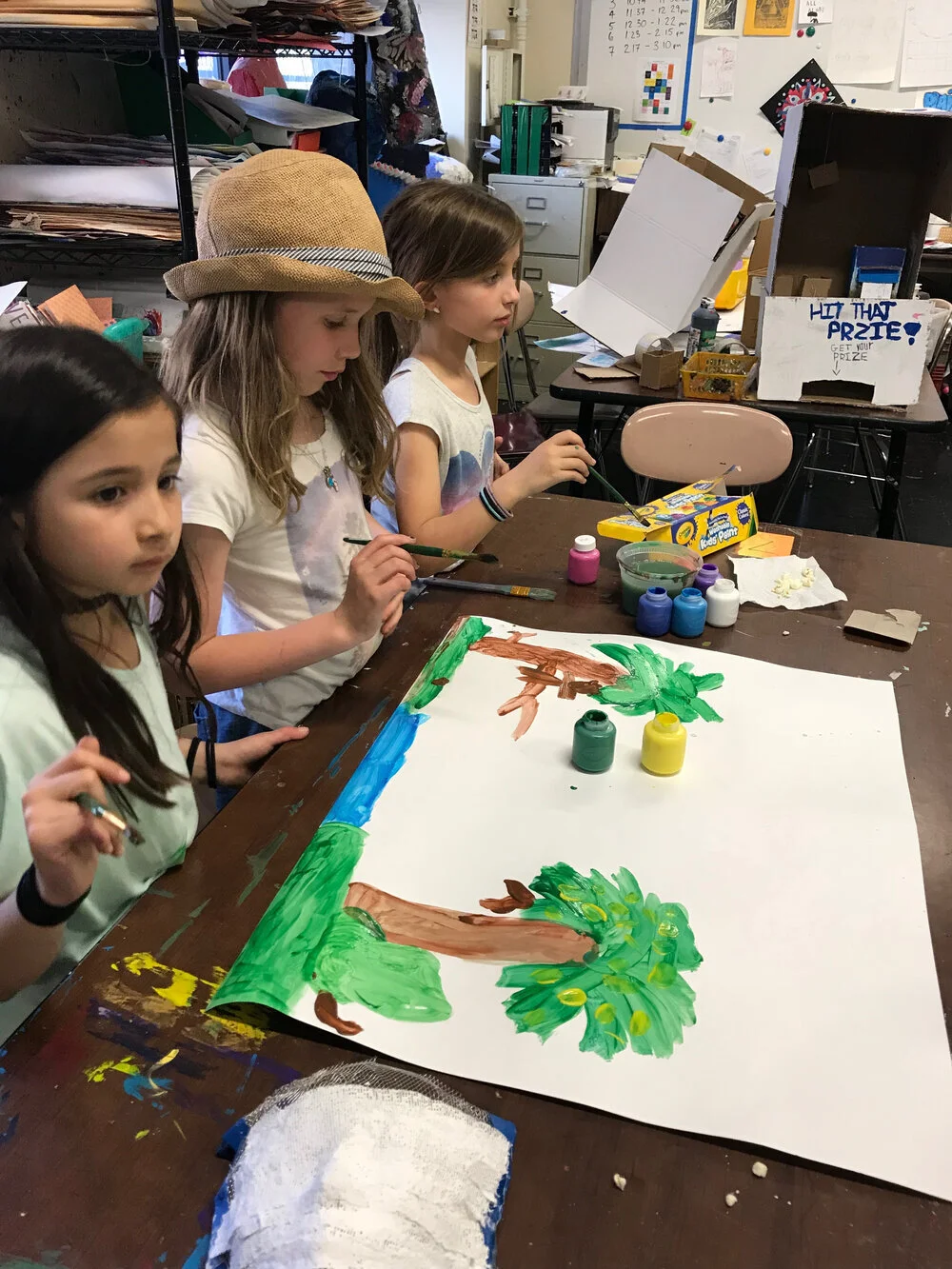
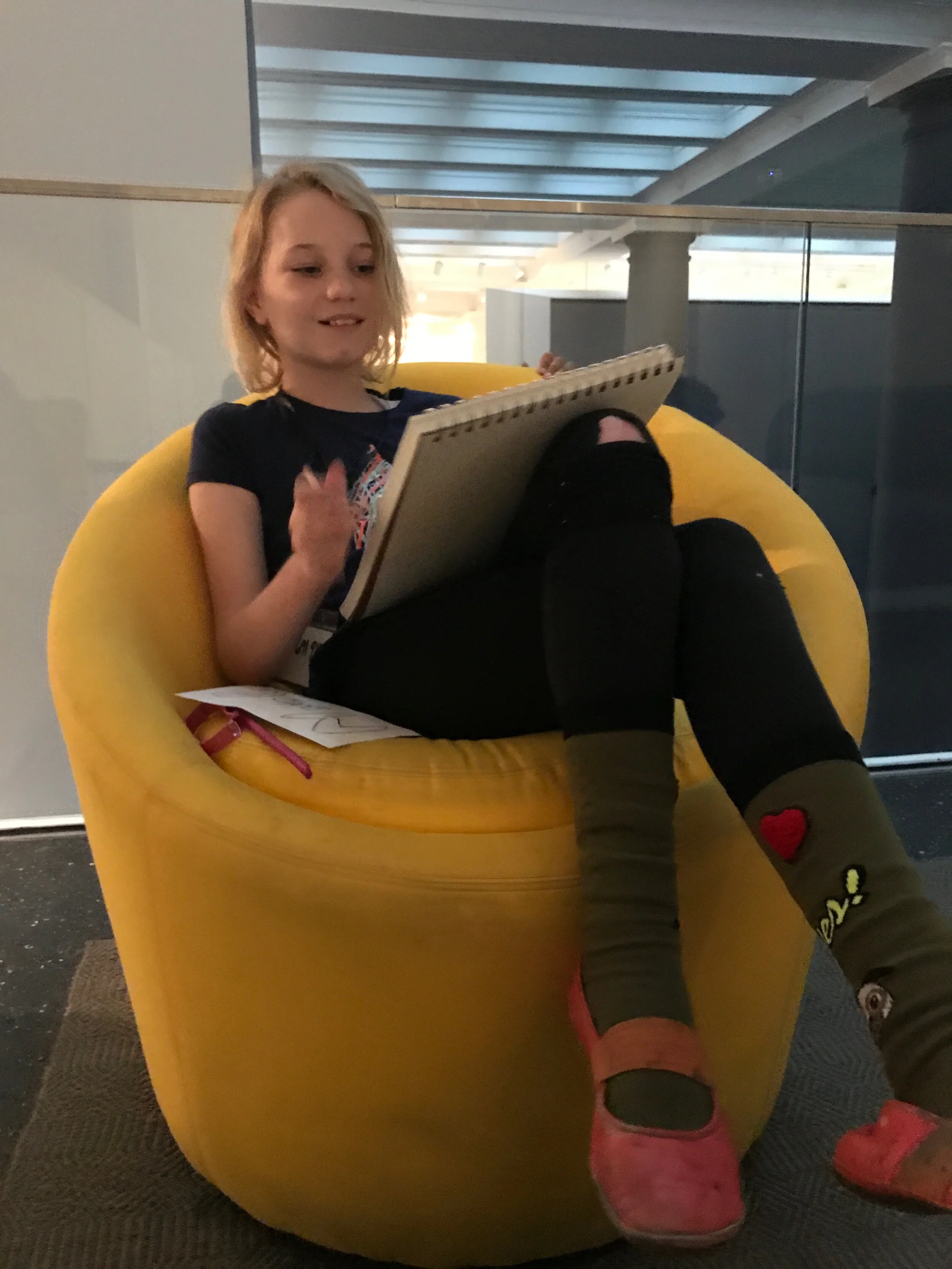
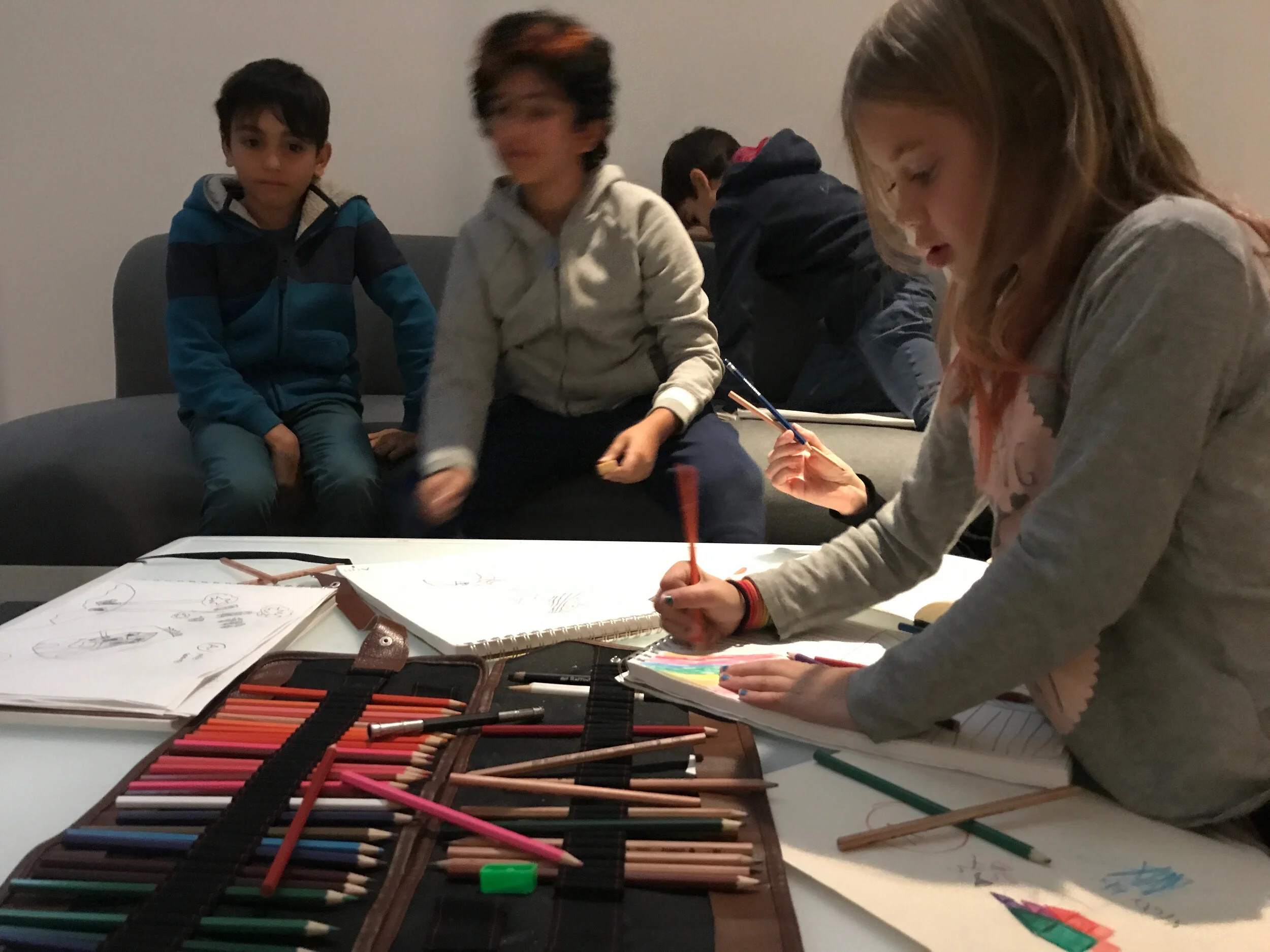
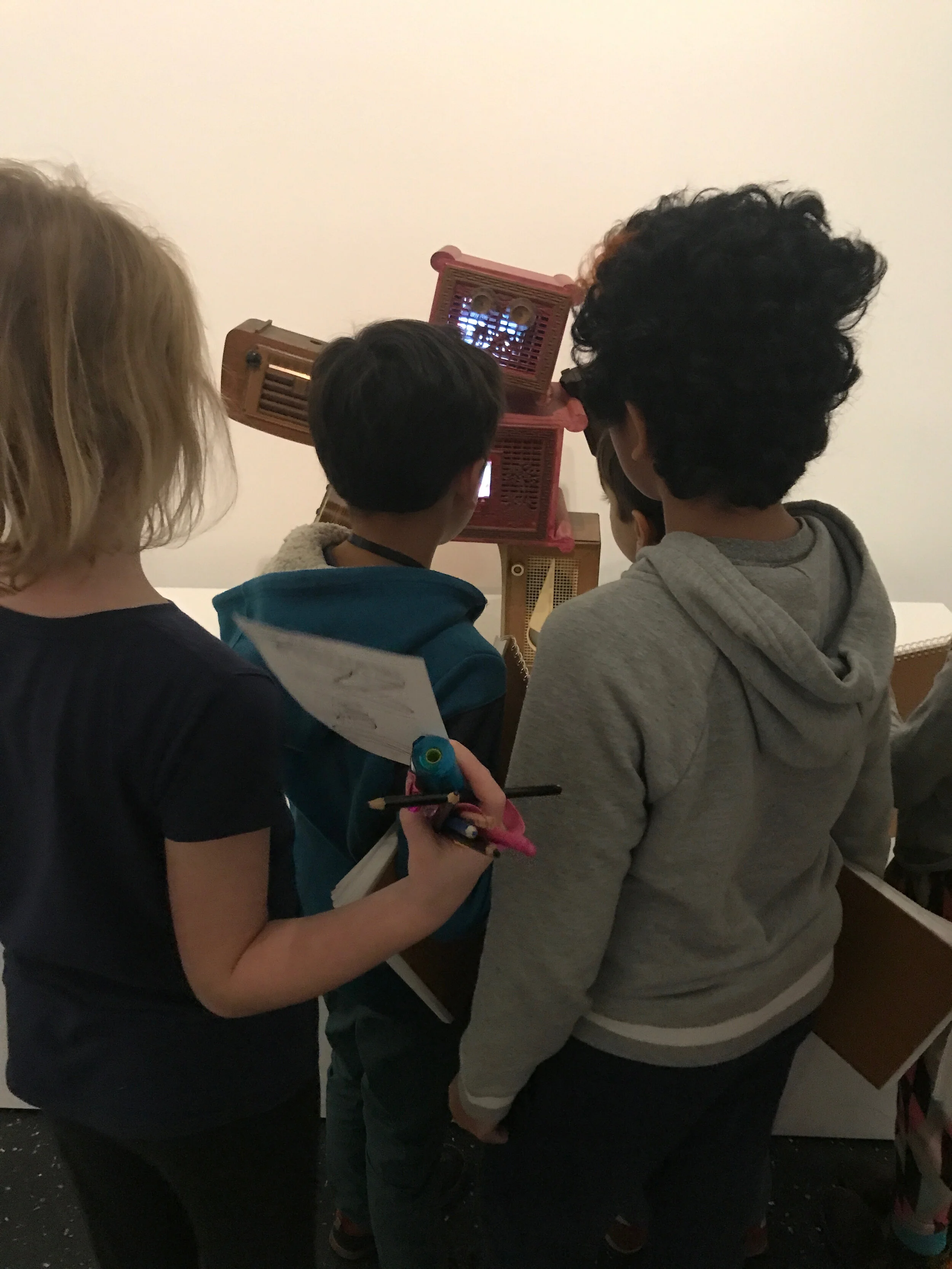
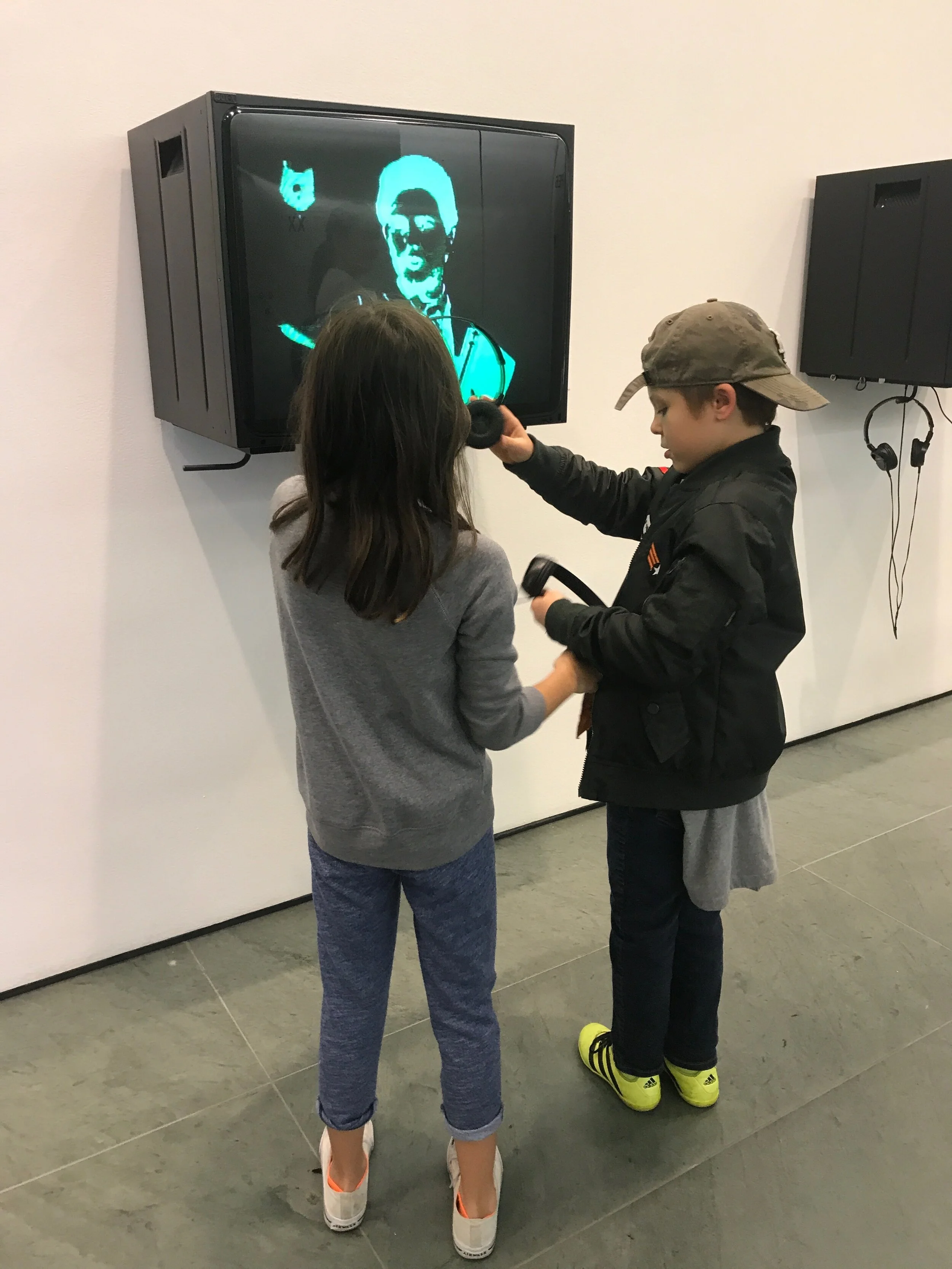
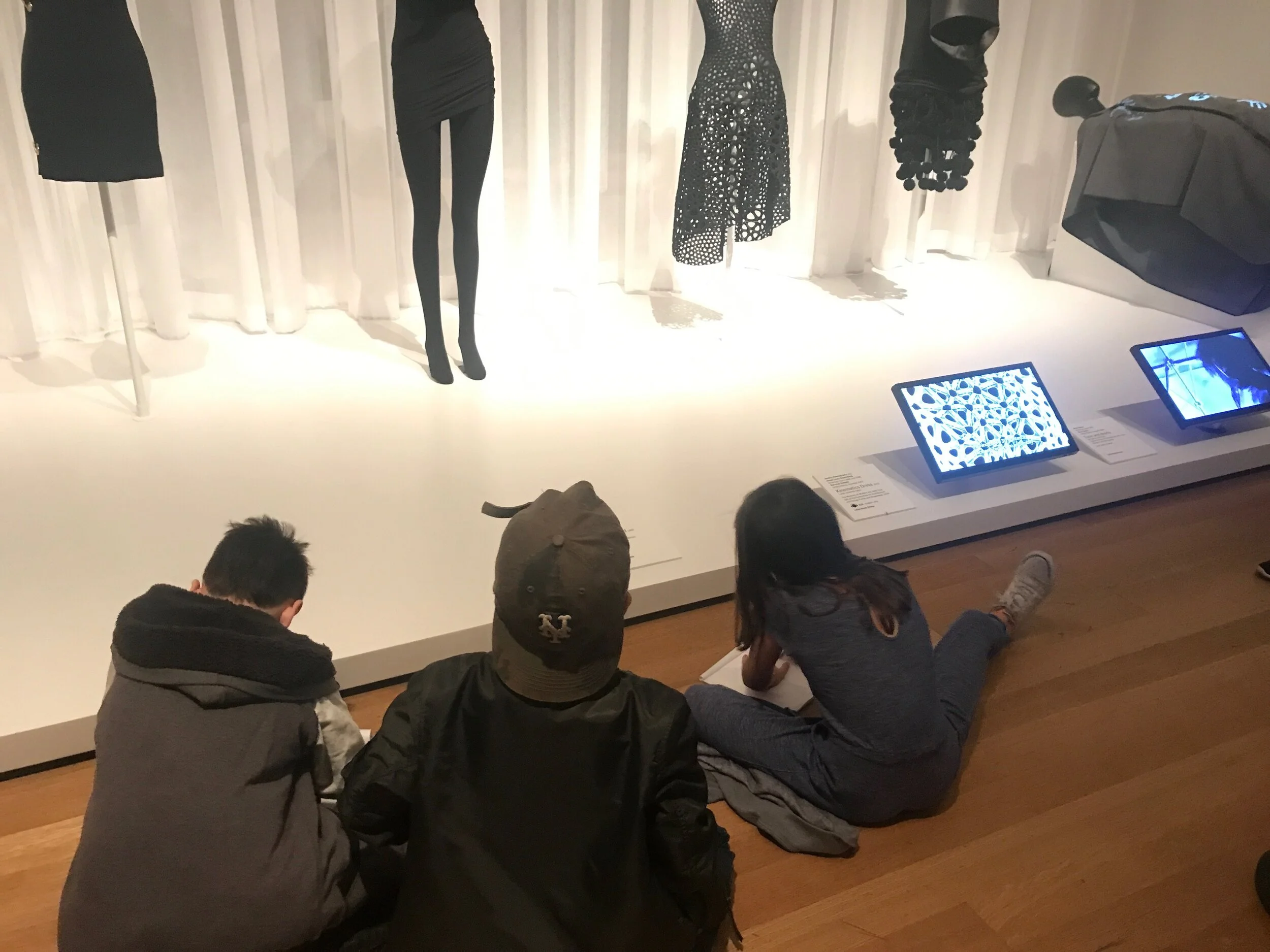
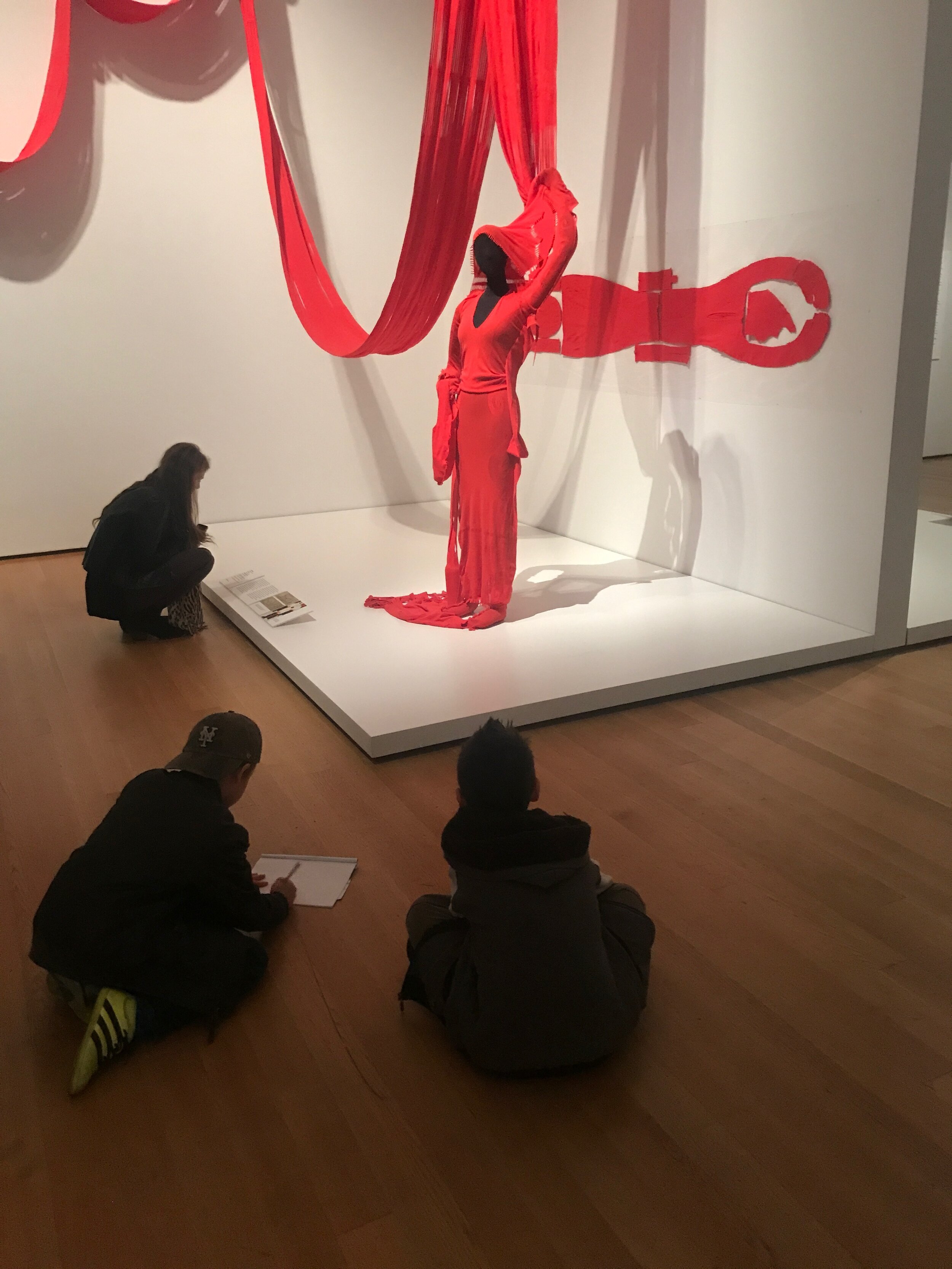
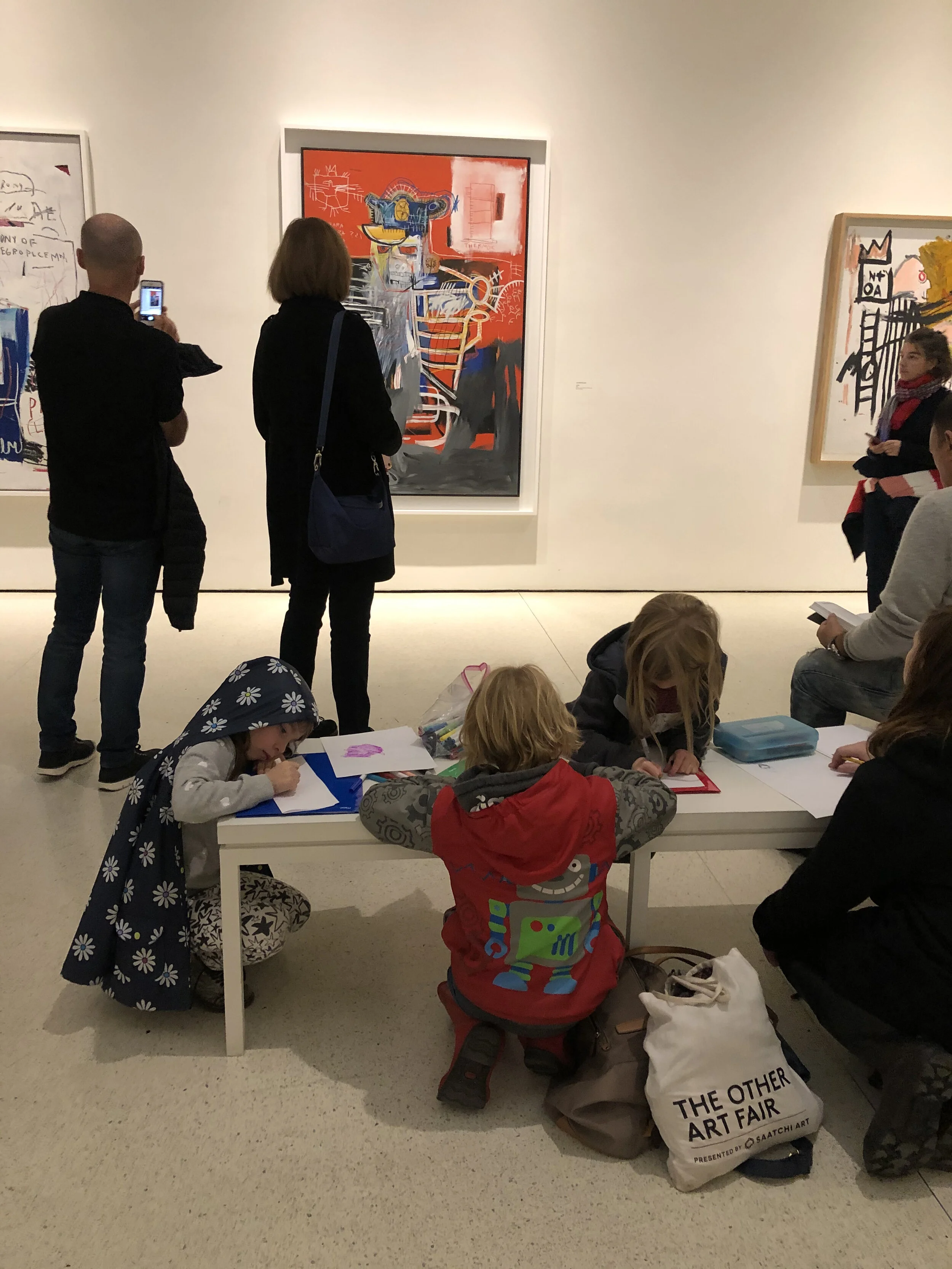
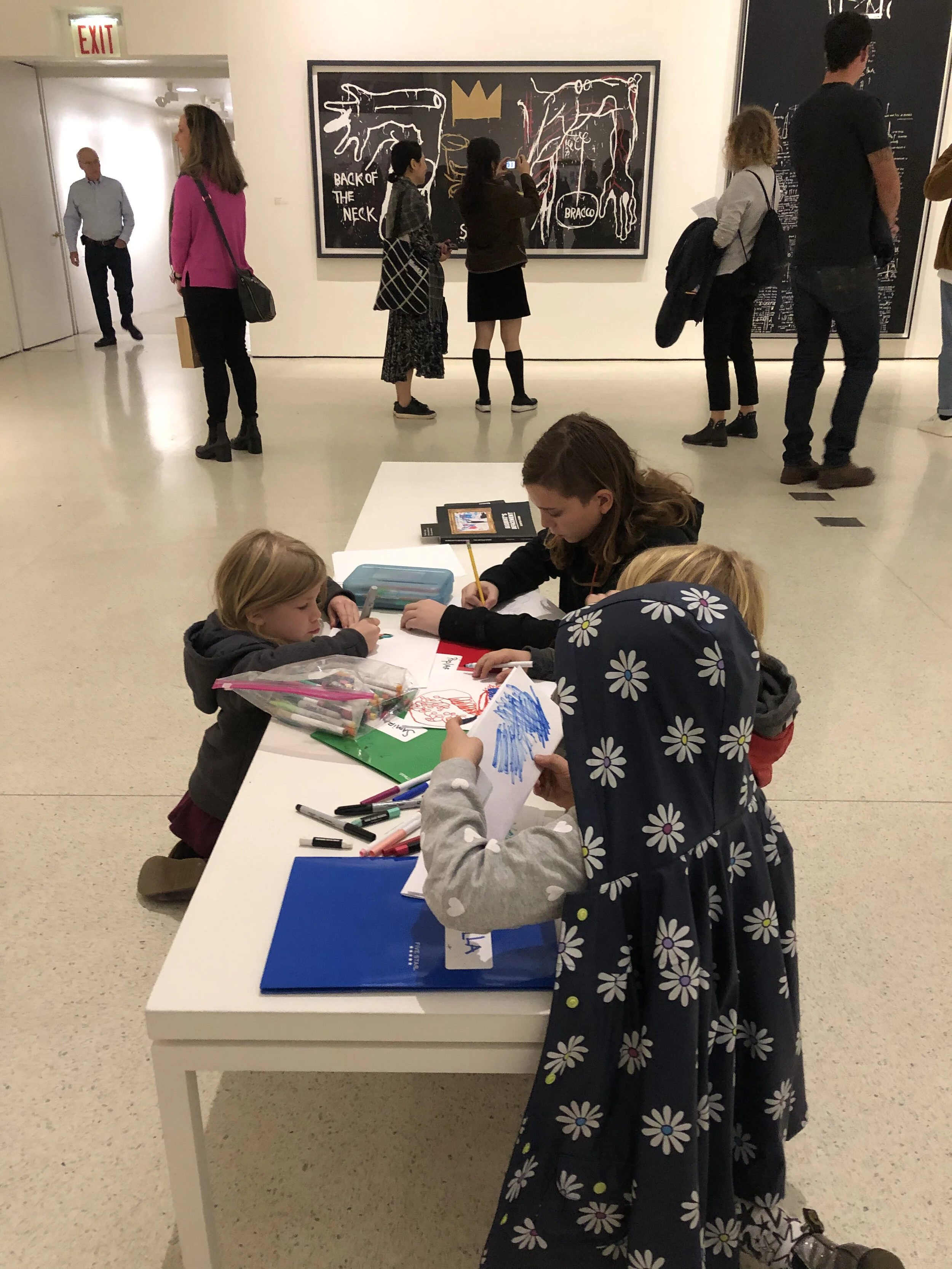
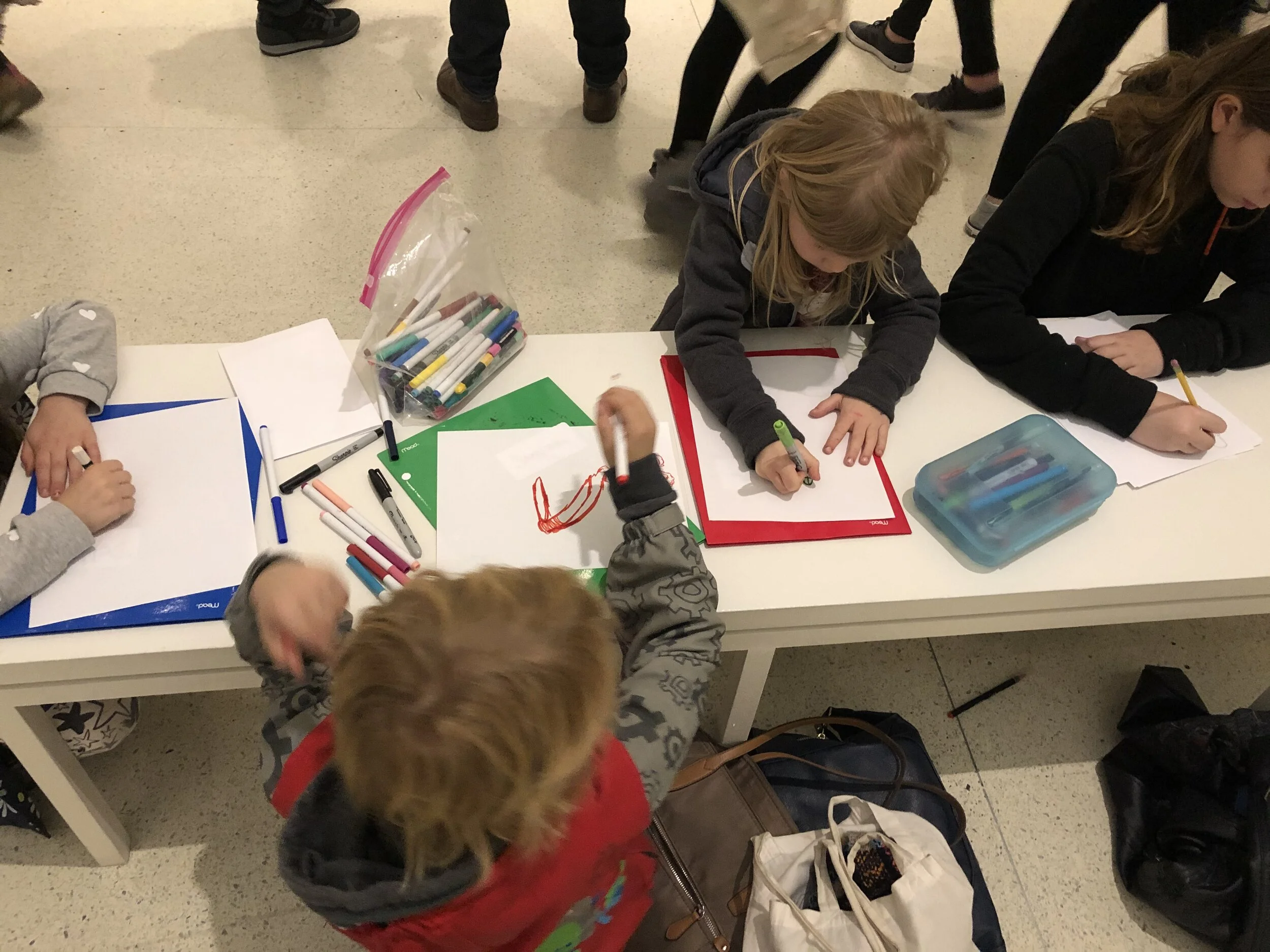
Literacy doesn’t begin with sterile worksheets. It begins with curiosity, drawing, storytelling, conversation, and making things together. Art isn’t a reward you get after doing the hard work—art is the vehicle that makes the hard work possible.
As a PhD Fellow in Urban Education at CUNY, our founder is launching Spaghetti & Cake as a community-engaged research initiative right here in New York City.
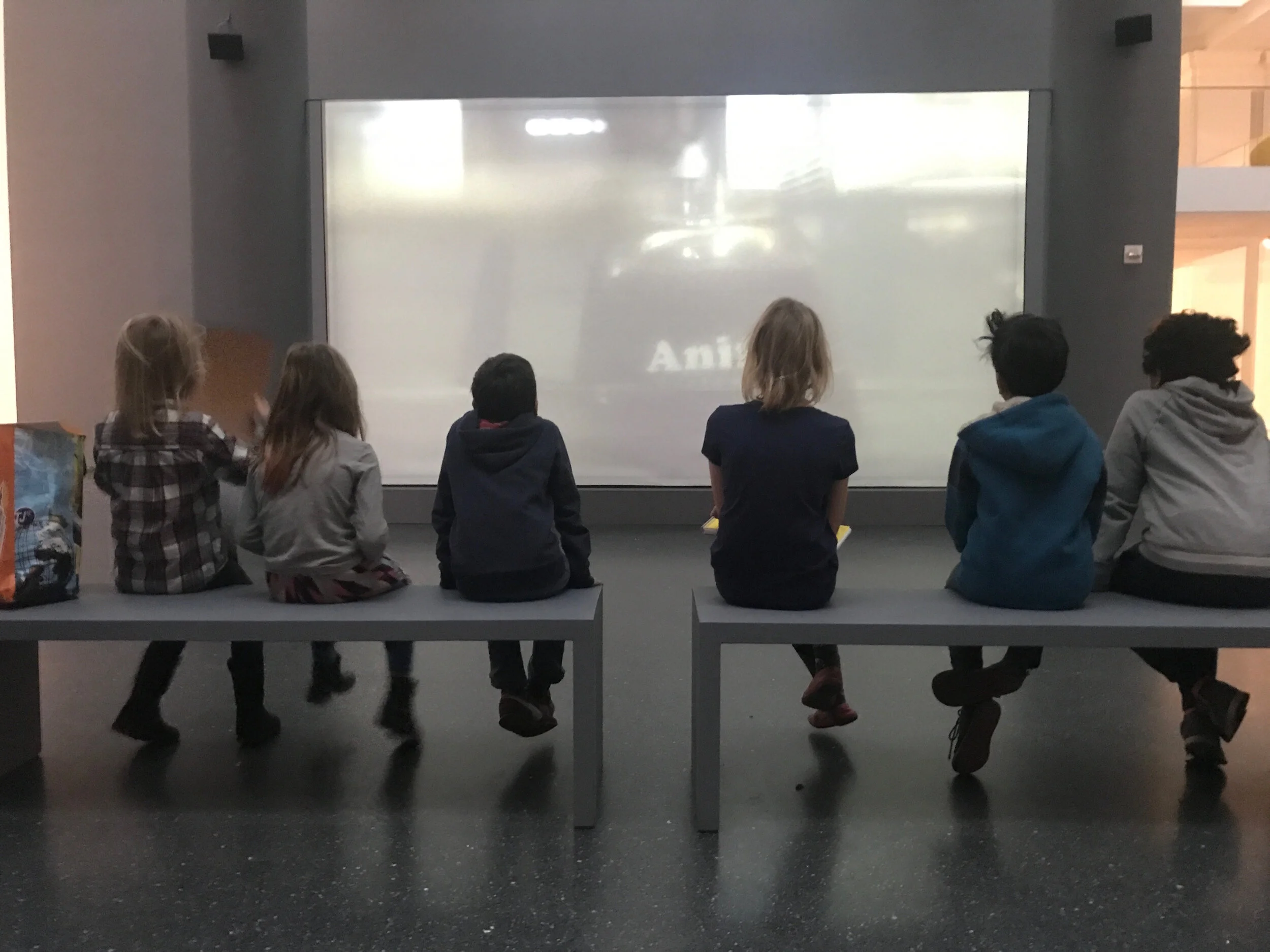
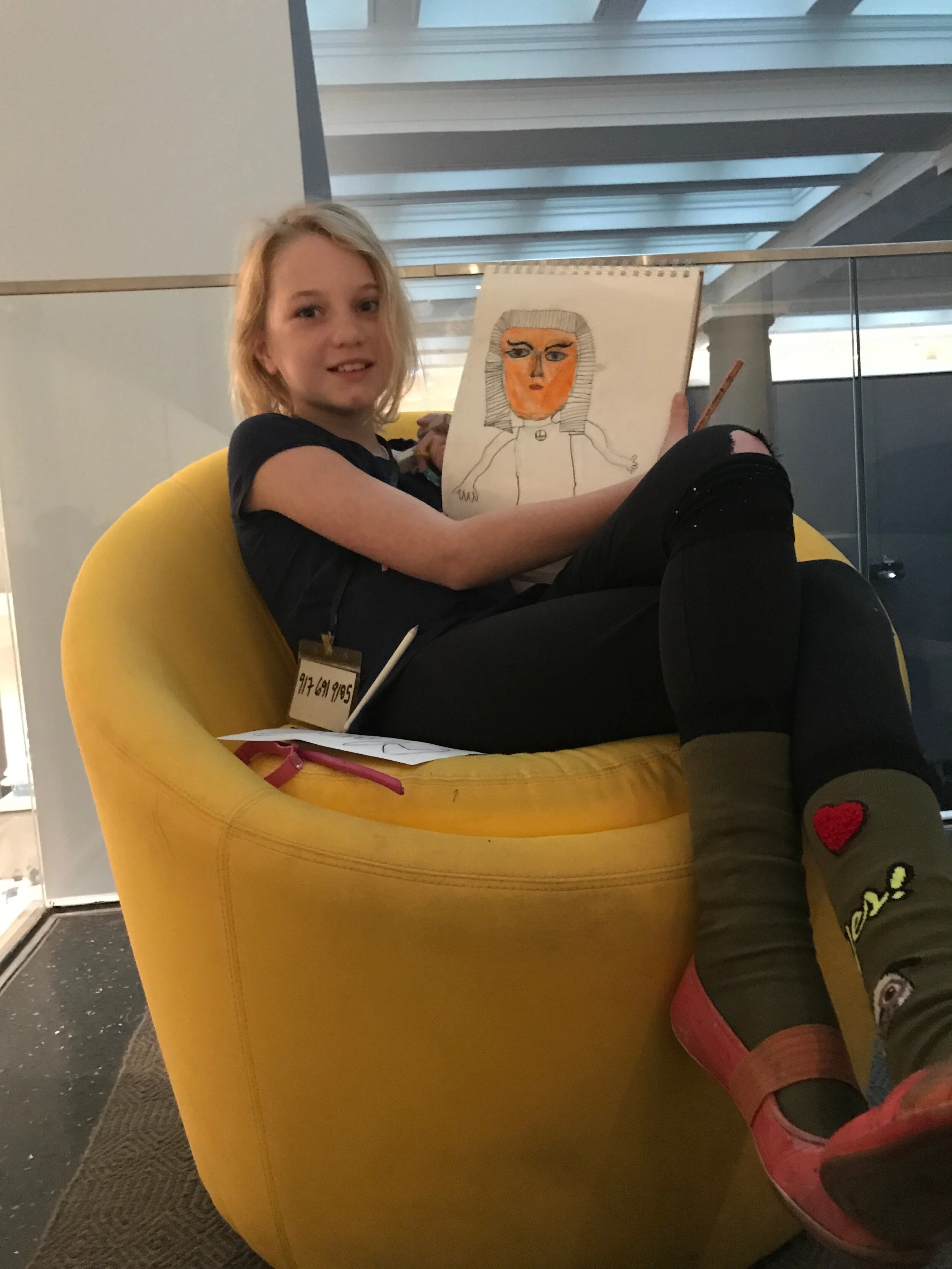
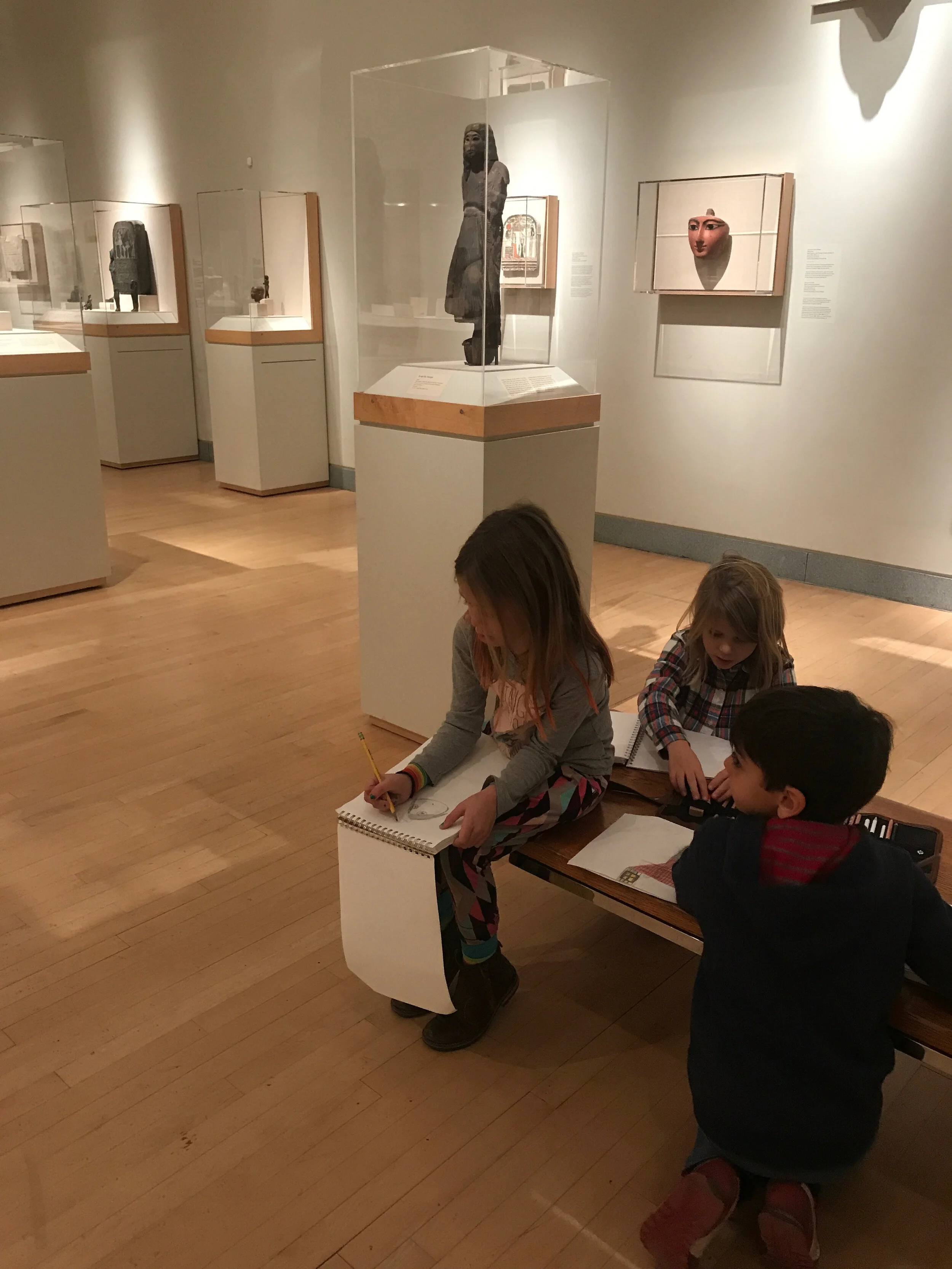
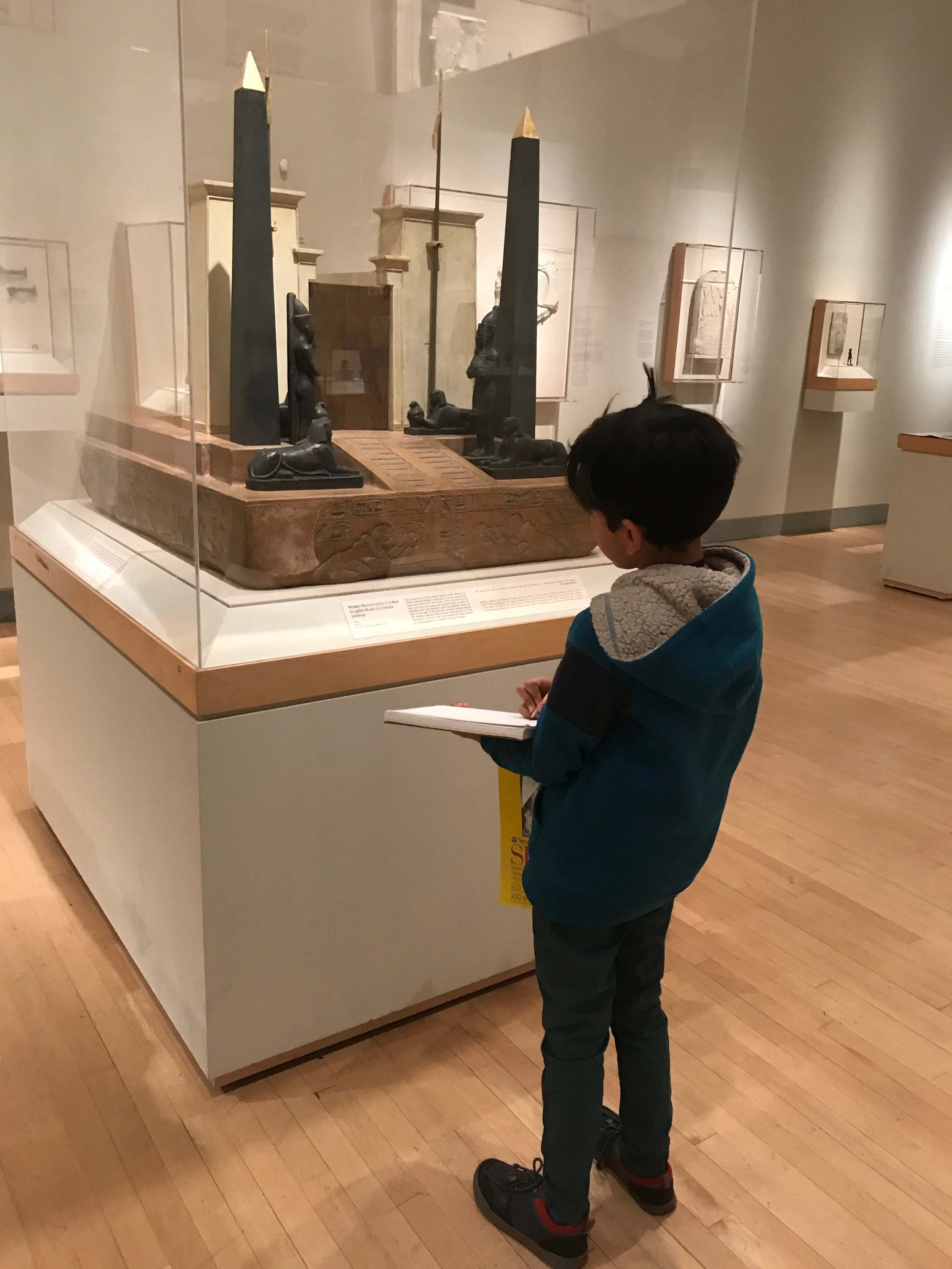
We bring our philosophy to life through immersive, high-energy programs designed for young authors, artists, and makers:
After-School Labs: Multi-week deep dives where children write, design, and publish their own books.
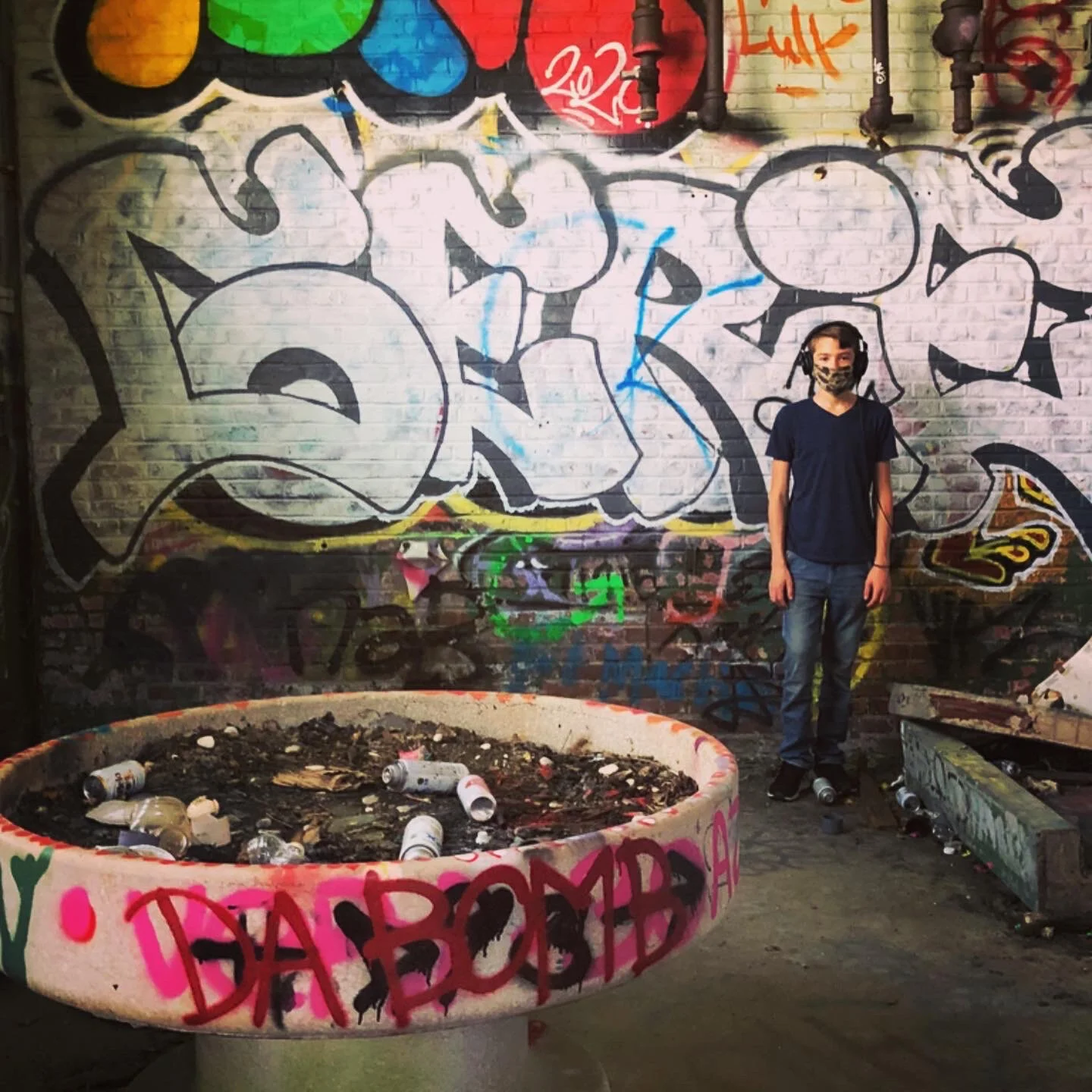
Weekend Pop-Ups: Creative studio sessions blending literacy with zines, comics, and multimedia storytelling.
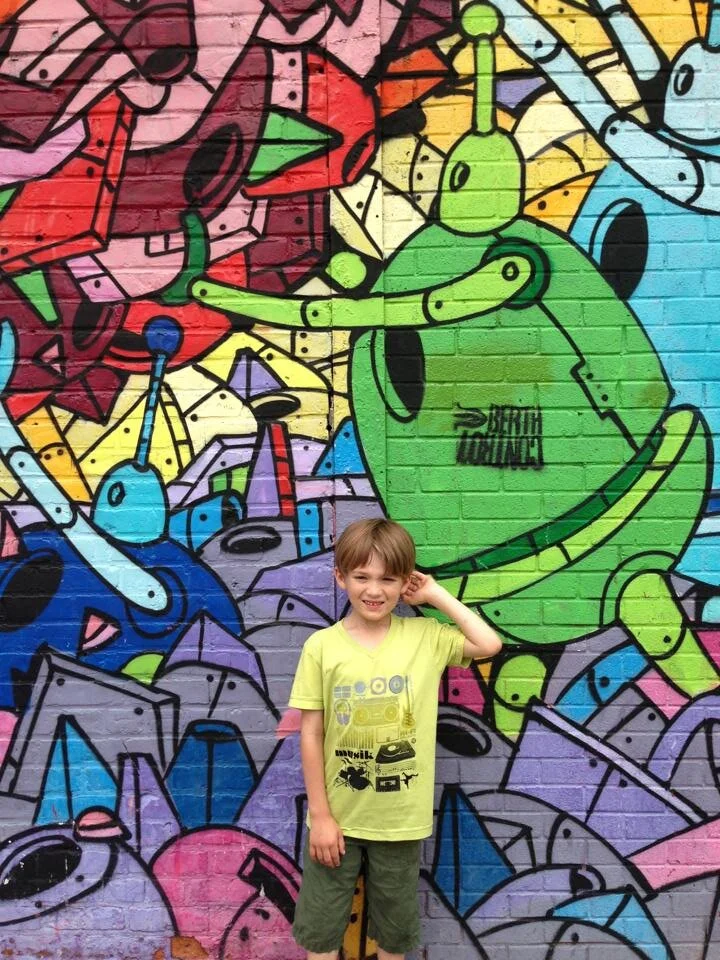
Holiday Bootcamps: Immersive community storytelling projects that connect kids to the neighborhood around them.
In our workshops, children don’t just practice mechanics—they create work that has a real audience and a real purpose.
Our Mission
We don’t begin with the easiest words. We begin with the words—and the ideas—that children cannot wait to make their own. Every child deserves to see themselves as an author, an artist, and a definitive maker of meaning.